

On this page
In Australia’s diverse climate, ranging from the scorching heat of the outback to the humid subtropics and cooler southern regions, maintaining a comfortable and energy-efficient home is a top priority. At the heart of achieving this lies effective insulation, and the key metric to understanding its performance is the R-value. This comprehensive guide will demystify R-values, explaining what they are, why they are crucial for Australian homes, and how to select the appropriate insulation to maximise comfort and minimize energy costs. Whether you’re a homeowner looking to upgrade, or a builder aiming for compliance and superior performance, understanding R-values is your first step towards a more efficient property.
What Exactly is an R-Value?
An R-value is a measure of thermal resistance, indicating how well a material resists the conductive flow of heat. Simply put, the higher the R-value, the greater the insulation’s ability to prevent heat from passing through it. This resistance works in both directions: it keeps heat inside during colder months and keeps unwanted heat out during warmer periods. R-values are determined by the type of material, its thickness, and its density. It is a critical factor in assessing the effectiveness of any insulation product, directly impacting a home’s energy efficiency and indoor comfort.
Think of it like a barrier: a higher R-value means a stronger, more effective barrier against temperature fluctuations. This metric is crucial because it allows homeowners and builders to compare the thermal performance of different insulation products objectively.

Why R-Values Matter for Australian Homes
Understanding and correctly applying R-values is paramount for several reasons, particularly within the Australian context:
- Energy Efficiency: Proper insulation with adequate R-values significantly reduces the need for artificial heating and cooling, leading to substantial savings on energy bills. This is especially vital in Australia, where extreme temperatures can drive up utility costs.
- Enhanced Comfort: Insulation helps maintain stable indoor temperatures year-round, eliminating uncomfortable hot and cold spots. This creates a more pleasant living or working environment, regardless of external weather conditions.
- Environmental Impact: By reducing energy consumption, well-insulated homes contribute to a lower carbon footprint, aligning with broader environmental sustainability goals.
- Building Code Compliance: The National Construction Code (NCC) in Australia sets minimum R-value requirements for new constructions and major renovations. Adhering to these standards is not only a legal obligation but also ensures a baseline of energy performance.
- Increased Property Value: A well-insulated home is a more attractive prospect for potential buyers or tenants, often commanding a higher market value due to its inherent energy efficiency and comfort benefits.
Australian Climate Zones & Recommended R-Values
Australia is broadly divided into eight climate zones, each with unique thermal performance requirements. The National Construction Code (NCC) specifies minimum R-values for different building elements (ceilings, walls, floors) based on these zones. For instance, homes in the hot, humid climate of Queensland (Zones 1 and 2, encompassing areas like Gold Coast and Brisbane) require insulation that primarily resists heat gain, while those in cooler southern regions need insulation to retain heat.
Here is a general overview of recommended minimum R-values, with a focus on Queensland’s climate considerations:
| Building Element | Climate Zone 1 (Hot Humid) | Climate Zone 2 (Warm Humid) | Climate Zone 3 (Hot Dry) | Climate Zone 4 (Temperate) |
|---|---|---|---|---|
| Ceiling | R3.0 – R4.0 | R3.5 – R4.5 | R4.0 – R5.0 | R3.5 – R4.5 |
| Walls | R1.5 – R2.5 | R2.0 – R3.0 | R2.5 – R3.5 | R2.0 – R3.0 |
| Floors | R1.0 – R2.0 | R1.5 – R2.5 | R2.0 – R3.0 | R1.5 – R2.5 |

Factors Influencing R-Value Choice
Selecting the correct R-value for your insulation project involves considering several critical factors:
- Location/Climate Zone: As highlighted, the geographical location and its specific climate zone are the primary determinants of required R-values. A home in Gold Coast will have different needs than one in Tasmania.
- Type of Insulation: Different insulation materials (batts, loose-fill, rigid boards, reflective foils) have inherent R-values and performance characteristics. For example, reflective insulation is highly effective at blocking radiant heat, which is crucial in hot climates.
- Area of Installation: Ceilings, walls, and floors each have distinct R-value requirements due to varying exposure to external elements and heat transfer mechanisms.
- Existing Insulation: For renovations or upgrades, assessing the current insulation’s R-value and condition is essential to determine the necessary additional insulation to achieve desired performance.
- Budget vs. Performance: While higher R-values generally mean better performance, there’s a point of diminishing returns. Balancing your budget with the desired level of thermal performance and long-term energy savings is key.
Understanding Different Insulation Materials and Their R-Values
Various insulation materials are available in Australia, each with its own R-value range and suitability for different applications:
Insulation Batts
These are pre-cut sections of insulation, commonly made from:
- Glasswool: Made from recycled glass and sand, offering good thermal and acoustic properties. Common R-values range from R1.5 to R7.0+.
- Polyester: Made from recycled PET plastic bottles, known for being non-allergenic and moisture-resistant. R-values typically range from R1.5 to R6.0+.
- Rockwool (Mineral Wool): Derived from volcanic rock, providing excellent fire resistance and superior thermal/acoustic performance. R-values are comparable to glasswool.
Batts are versatile and used in ceilings, walls, and underfloors. For more detailed information, refer to our guide on Understanding Insulation Batts: Materials, R-Values, and Applications.
Loose-Fill Insulation
Materials like cellulose or loose-fill glasswool are blown into cavities, ideal for irregular spaces or existing walls. Their R-value depends on the installed density and thickness.
Rigid Board Insulation
High-density boards made from materials like PIR (Polyisocyanurate) or XPS (Extruded Polystyrene) offer very high R-values for their thickness, often used in specialized applications like concrete slabs or external walls.
Reflective Foil Insulation (Sarking)
This material primarily works by reflecting radiant heat. While it has a low inherent R-value, its effectiveness in hot climates by reducing radiant heat transfer is significant, especially when combined with an air gap. It is commonly used as sarking under roofs and behind wall cladding.
Express Insulation Australia offers a range of these materials, ensuring the right product is selected for your specific needs and climate.

Common R-Value Questions & Misconceptions
Does a higher R-value always mean better insulation?
While a higher R-value generally indicates better thermal resistance, there are diminishing returns. Doubling the R-value does not necessarily halve your energy bill. It’s crucial to find the optimal R-value for your climate zone and application to achieve cost-effectiveness without over-insulating.
What is the difference between R-value and U-value?
R-value measures thermal resistance (how well a material resists heat flow), while U-value measures the rate of heat transfer (how easily heat passes through a material). They are inversely related (U = 1/R). Both are important metrics, but R-value is more commonly used for insulation products in Australia.
How important is professional installation for R-value performance?
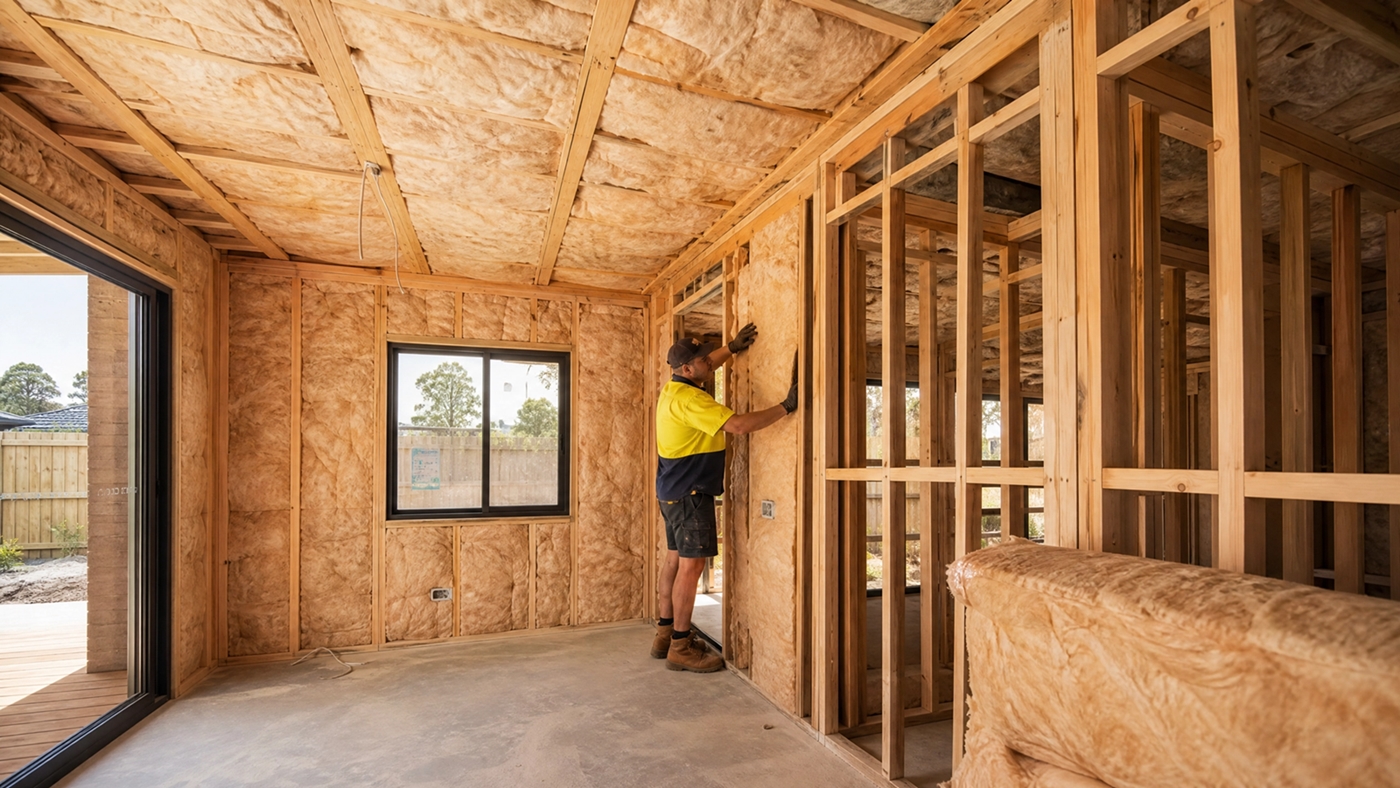
Extremely important. An insulation product’s stated R-value is achieved only when installed correctly. Gaps, compression, or moisture can significantly reduce its effective performance, leading to thermal bridging and energy loss. Professional installation ensures the insulation performs as intended.
How Express Insulation Ensures Optimal R-Value Performance
At Express Insulation Australia, we understand that selecting the right R-value and material is only half the battle; professional installation is equally critical. Our approach ensures you get the most out of your insulation investment:
- Expert Assessment: We conduct detailed site inspections and energy assessments to recommend the most effective insulation solutions, considering your property’s unique characteristics and local climate.
- Quality Installation: Our experienced team adheres to the highest standards of installation, ensuring no gaps, compression, or other issues that could compromise the insulation’s R-value.
- Compliance Assurance: We ensure all installations meet or exceed the latest Australian building codes and NCC requirements, providing peace of mind and guaranteeing compliance.
- Tailored Solutions: We don’t believe in one-size-fits-all. We provide customised recommendations based on your specific needs, budget, and desired outcomes.

Conclusion
Understanding R-values is fundamental to creating an energy-efficient, comfortable, and compliant home in Australia. By choosing the right insulation with appropriate R-values for your climate zone and application, you can significantly reduce energy consumption, enhance indoor comfort, and contribute to a more sustainable future. Express Insulation Australia is committed to guiding you through this process, offering expert advice and professional installation to ensure your home achieves optimal thermal performance. Contact us today for a consultation and take the first step towards a better-insulated home.
[1] Australian Building Codes Board (ABCB) – National Construction Code (NCC): https://ncc.abcb.gov.au/
[2] Your Home (Australian Government) – Insulation: https://www.yourhome.gov.au/passive-design/insulation
Leave a Reply