

On this page
Insulation batts are arguably the most common and versatile form of thermal insulation used in Australian homes. From new constructions to renovations and energy efficiency upgrades, these pre-cut sections of insulating material play a critical role in maintaining comfortable indoor temperatures and reducing energy consumption. But with a variety of materials, R-values, and applications, choosing the right batt for your specific needs can be a complex decision. This comprehensive guide will demystify insulation batts, exploring their different types, how their R-values impact performance, and where they are best applied throughout your home. We’ll provide you with the knowledge to make informed choices that lead to a more energy-efficient and comfortable living environment.
What Are Insulation Batts? The Foundation of Thermal Comfort
Insulation batts are essentially pre-cut, rectangular sections of insulating material, designed to fit snugly between the studs of walls, joists of ceilings, and bearers of floors. Unlike loose-fill insulation, which is blown into cavities, batts are typically hand-placed. Their primary function is to create a thermal barrier that slows down the transfer of heat, keeping your home cooler in summer and warmer in winter. This is achieved by trapping millions of tiny air pockets within their fibrous structure, which significantly reduces heat flow through conduction and convection.
The effectiveness of an insulation batt is primarily measured by its R-value, a numerical rating that indicates its thermal resistance. A higher R-value signifies greater resistance to heat flow and, consequently, better insulating performance. Batts are a popular choice due to their relative ease of installation (for accessible areas), cost-effectiveness, and their ability to provide both thermal and often acoustic benefits. They are a foundational component in creating an energy-efficient building envelope.

Types of Insulation Batts: Materials & Properties Explained
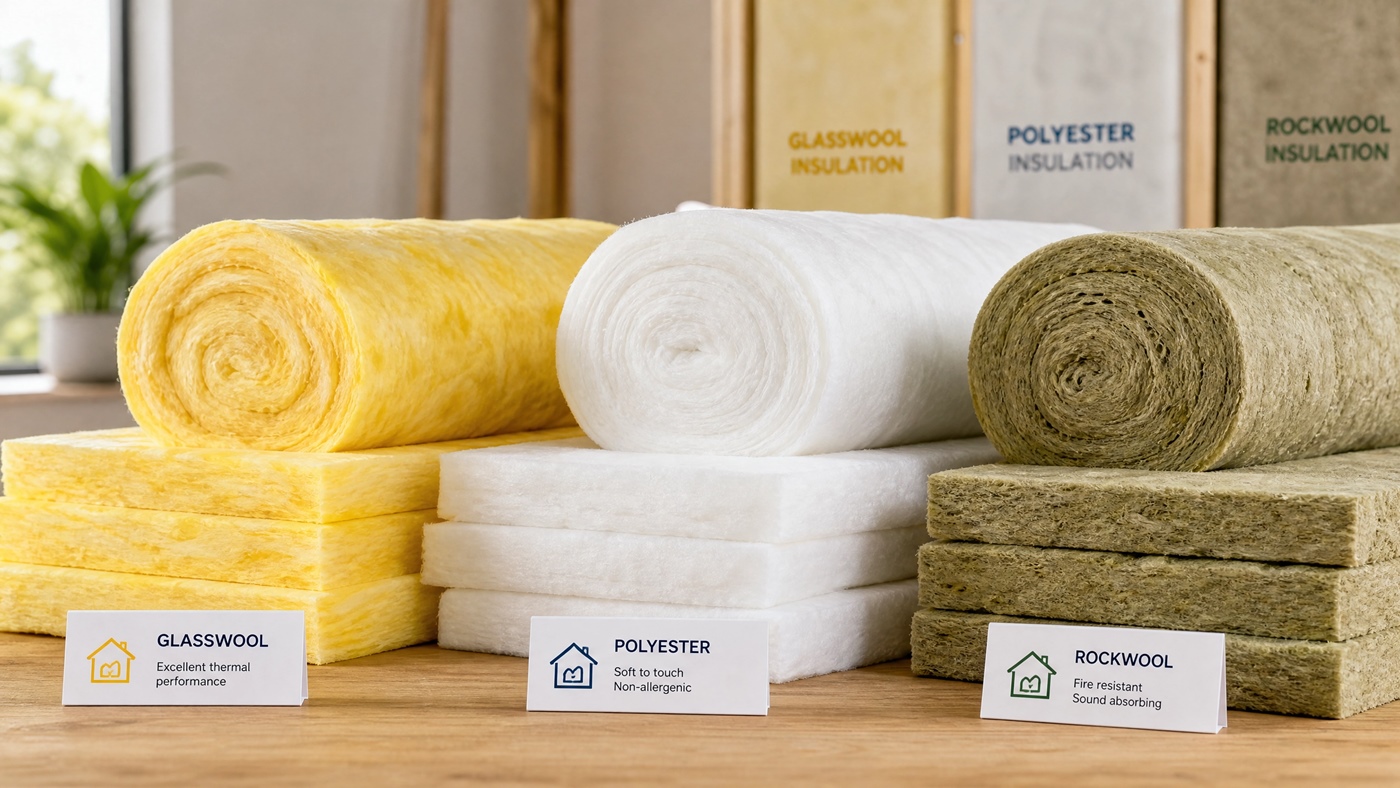
The world of insulation batts offers a range of materials, each with distinct characteristics that make them suitable for different applications and homeowner preferences. Understanding these differences is key to selecting the optimal product for your home.
Glasswool Batts (Fiberglass)
Glasswool batts are perhaps the most widely recognized and used insulation material in Australia. They are manufactured from recycled glass and sand, melted down and spun into fine fibres, which are then formed into batts. Modern glasswool products, such as those from Knauf Earthwool, are often made with natural binders, making them softer to touch and less irritating during installation.
- Properties: Excellent thermal and acoustic performance, non-combustible (fire-resistant), lightweight, and cost-effective. They are effective at slowing heat transfer and absorbing sound waves.
- Common R-values: Available in a wide range, typically from R1.5 for walls up to R6.0 or higher for ceilings.
- Applications: Ideal for ceilings, walls, and sub-floors in both residential and commercial buildings.
- Pros: High thermal performance per dollar, good acoustic properties, fire-resistant, widely available.
- Cons: Can be irritating to skin and respiratory system during handling (requires PPE), some older types may contain formaldehyde binders.
Polyester Batts
Polyester batts are a popular choice for homeowners seeking a non-irritant and environmentally friendly option. They are typically made from recycled PET plastic bottles, making them a sustainable choice.
- Properties: Non-allergenic, non-irritant, moisture-resistant (does not absorb moisture easily), good acoustic properties, and retains its thermal performance even if slightly damp.
- Common R-values: Similar to glasswool, available in R1.5 to R6.0+ for various applications.
- Applications: Excellent for ceilings, walls, and underfloor, particularly in homes where occupants have sensitivities or in humid environments like Queensland where moisture resistance is a benefit. Also great for acoustic insulation in internal walls.
- Pros: Safe and easy to handle, hypoallergenic, moisture-resistant, made from recycled materials, good acoustic performance.
- Cons: Generally more expensive than glasswool, can be slightly less dense for the same R-value compared to some glasswool products.
Rockwool (Mineral Wool) Batts
Rockwool, also known as mineral wool, is made from natural basalt rock and recycled slag, melted and spun into fibres. It is renowned for its exceptional fire resistance and acoustic properties.
- Properties: Superior fire resistance (can withstand temperatures over 1000°C), excellent thermal and acoustic performance, water repellent, and dense.
- Common R-values: Available in a good range, often used where fire safety is a primary concern.
- Applications: Frequently used in commercial buildings, multi-residential dwellings, and any area where enhanced fire protection or superior acoustic dampening is required, such as between floors or in partition walls.
- Pros: Outstanding fire resistance, excellent sound absorption, good thermal performance, water repellent.
- Cons: Can be heavier and denser, generally more expensive than glasswool and polyester, can be irritating to handle.
Other Less Common Batts
While glasswool, polyester, and rockwool dominate the market, other batt materials exist, though they are less common in mainstream Australian residential applications:
- Natural Wool Batts: Made from sheep’s wool, offering excellent thermal and moisture-regulating properties, but typically at a higher cost.
- Cotton Batts: Made from recycled cotton fibres, often used for their eco-friendly profile and non-irritant nature.
Understanding R-Values in Insulation Batts: Your Key to Performance
The R-value is the single most important metric when selecting insulation. It quantifies a material’s resistance to heat flow. The higher the R-value, the greater its insulating power. For batts, the R-value is determined by the material type, its density, and crucially, its thickness. A thicker batt of the same material will generally have a higher R-value.
In Australia, the National Construction Code (NCC) specifies minimum R-value requirements for different parts of a building (ceilings, walls, floors) based on the climate zone. For instance, homes in Queensland’s warmer climate zones will have different recommendations than those in colder southern regions. It’s not just about choosing a high R-value, but choosing the *appropriate* R-value that balances performance with cost-effectiveness and complies with local regulations.
It’s important to note that the R-value of a batt is an inherent property of the material itself. However, the *effective* R-value of your entire building envelope can be significantly impacted by installation quality. Gaps, compression, or incorrect placement can drastically reduce the real-world performance of even high R-value batts. For a deeper dive into R-values, refer to our comprehensive guide: The Ultimate Guide to R-Values in Australian Homes.
| Material Type | Thickness (mm) | Typical R-Value | Common Application |
|---|---|---|---|
| Glasswool | 75-90 | R1.5 – R2.0 | Internal Walls, External Walls |
| Glasswool | 110-140 | R2.5 – R3.0 | External Walls, Ceilings (moderate) |
| Glasswool | 190-250 | R4.0 – R6.0 | Ceilings (high performance) |
| Polyester | 75-90 | R1.5 – R2.0 | Internal Walls, External Walls |
| Polyester | 110-140 | R2.5 – R3.0 | External Walls, Ceilings (moderate) |
| Polyester | 190-250 | R4.0 – R6.0 | Ceilings (high performance) |
| Rockwool | 75-90 | R1.5 – R2.0 | Acoustic Walls, Fire-rated applications |
| Rockwool | 110-140 | R2.5 – R3.0 | External Walls, Ceilings (fire-rated) |
Where to Apply Insulation Batts: Common Applications in Your Home
Insulation batts are incredibly versatile and can be installed in various parts of your home to create a comprehensive thermal envelope. Each application targets different heat transfer pathways and offers specific benefits.
Ceiling Insulation: Your Primary Thermal Barrier
The ceiling is often the most critical area for insulation, especially in Queensland, as a significant amount of heat enters (in summer) and escapes (in winter) through the roof. Ceiling batts are installed between the joists in your attic or roof space.
- Importance: Prevents up to 35% of heat loss/gain through the roof [1]. In QLD, it’s crucial for blocking radiant heat from the sun-baked roof.
- Recommended Batts: High R-value glasswool or polyester batts (R4.0 to R6.0) are ideal. Combine with reflective sarking for optimal performance in hot climates.
- Installation Considerations: Ensure full coverage with no gaps. Maintain clearances around downlights, flues, and electrical wiring as per AS 3999. Proper ventilation of the roof space is also vital.
Wall Insulation: Enhancing Comfort and Soundproofing
Wall insulation plays a crucial role in maintaining consistent indoor temperatures and providing acoustic comfort. Batts are installed within the wall cavities, between the studs.
- Importance: Reduces heat transfer through external walls, especially those exposed to direct sunlight. Also significantly reduces noise transmission from outside and between rooms.
- Recommended Batts: R1.5 to R2.5 glasswool or polyester batts for external walls. For internal partition walls, lower R-value acoustic batts (often R1.5 or R2.0) made from polyester or rockwool are excellent for sound control.
- Installation Considerations: Batts must be cut precisely to fit snugly without compression. Ensure no gaps around windows, doors, or electrical outlets. Consider vapor barriers in humid climates if specified by building codes.
Underfloor Insulation: For Raised Homes and Ground-Level Comfort
For homes built on stumps or with raised floor structures, underfloor insulation is essential to prevent heat transfer through the floor, which can be a significant source of discomfort.
- Importance: Prevents heat loss to the ground in winter and heat gain from the ground in summer. Improves overall floor comfort, making floors less cold or hot to touch.
- Recommended Batts: R1.5 to R2.5 glasswool or polyester batts specifically designed for underfloor applications, often with a foil facing for added radiant barrier properties.
- Installation Considerations: Batts need to be securely supported to prevent sagging, which can create air gaps and reduce effectiveness. Protection against moisture and pests is also important.
Partition Wall Batts: The Acoustic Advantage
While often considered for thermal reasons, batts are also highly effective for acoustic insulation, particularly in internal partition walls.
- Importance: Reduces sound transfer between rooms, creating quieter bedrooms, studies, and living areas. Essential for home offices, media rooms, or multi-generational living.
- Recommended Batts: Specific acoustic batts, often made from polyester or rockwool, are designed with higher density to absorb sound waves more effectively. Even lower R-value thermal batts (R1.5-R2.0) can offer significant acoustic benefits.
- Installation Considerations: Full cavity fill is crucial for optimal sound dampening. Ensure no gaps around electrical boxes or plumbing penetrations.

Installation Best Practices for Insulation Batts: Maximising Effectiveness
The performance of insulation batts is only as good as their installation. Even the highest R-value batt will underperform if not installed correctly. Here are key best practices:
-
Prioritise Safety Always wear appropriate Personal Protective Equipment (PPE), including a respirator, gloves, long sleeves, and eye protection, especially when handling glasswool. Ensure the work area is well-ventilated and free from electrical hazards.
-
Measure and Cut Precisely Batts should be cut to fit snugly into cavities without compression. Over-cutting or leaving gaps creates thermal bridges that compromise performance. Use a sharp utility knife and a straight edge for clean cuts.
-
Ensure Full Coverage (No Gaps) The goal is a continuous thermal blanket. Pay close attention to corners, edges, and around obstructions like pipes, wiring, and ductwork. Use smaller pieces to fill any voids.
-
Avoid Compression Never compress batts to fit into a smaller space. Compression reduces the air pockets that give insulation its R-value, making it less effective. If a cavity is too small for a standard batt, consider a thinner batt with an appropriate R-value or a different insulation solution.
-
Maintain Clearances Adhere strictly to Australian Standard AS 3999 guidelines for clearances around heat-producing elements like recessed light fittings (downlights), flues, and chimneys. Failure to do so poses a significant fire risk.
-
Address Air Sealing First Before installing insulation, seal any significant air leaks in your building envelope (e.g., around windows, doors, electrical outlets, plumbing penetrations). Insulation slows heat transfer, but air leaks allow unconditioned air to bypass it entirely.
-
Consider Vapor Barriers (QLD Specific) In humid climates like Queensland, proper moisture management is crucial. Consult with an expert regarding the need and correct placement of vapor retarders to prevent interstitial condensation.
While some batt installations can be DIY-friendly, complex areas, old insulation removal (especially if asbestos is suspected), or ensuring compliance with all standards are best left to professionals. Incorrect installation can lead to reduced performance, safety hazards, and costly future repairs.
Choosing the Right Insulation Batts for Your Project: A Decision Guide
With the array of options available, making the right choice for your home can feel overwhelming. Here’s a guide to help you navigate the decision-making process:
- Identify the Application Area: Is it for the ceiling, external walls, internal partition walls, or underfloor? Each area has different requirements and ideal batt types.
- Determine Required R-Value: Consult the National Construction Code (NCC) for your specific climate zone in Queensland. For optimal comfort and energy savings, often exceeding the minimum requirements is beneficial.
- Consider Material Properties:
- Thermal Performance: All batts offer good thermal resistance, but some are better suited for extreme conditions.
- Acoustic Performance: If sound control is a priority (e.g., media room, busy street), look for denser batts like rockwool or specific acoustic polyester batts.
- Fire Resistance: Rockwool offers superior fire resistance, important for bushfire-prone areas or specific building types.
- Moisture Resistance: Polyester batts are inherently more resistant to moisture absorption, a plus in humid QLD.
- Allergen/Irritant Concerns: Polyester is a popular choice for those with sensitivities or for DIY installation due to its non-irritant nature.
- Budget vs. Long-Term Value: While glasswool is generally the most cost-effective upfront, consider the long-term benefits of other materials, such as polyester’s moisture resistance or rockwool’s fire protection, which might offer better value over time.
- Installation Method: Are you planning a DIY project or hiring professionals? This can influence material choice, as some materials are easier for homeowners to handle safely.
- Consult with Professionals: The best way to ensure you make the optimal choice is to consult with experienced insulation specialists. They can assess your home’s specific needs, recommend compliant and effective solutions, and provide expert installation.
Why Express Insulation is Your Batt Expert
At Express Insulation Australia, we pride ourselves on being the leading experts in insulation solutions tailored for the unique Queensland climate. We understand the nuances of heat transfer, moisture management, and the specific performance requirements for batts in our region. Our team is highly trained in the correct selection and installation of all major batt types, ensuring your home receives the most effective and compliant insulation system.
We partner with reputable manufacturers to provide a wide range of high-quality glasswool, polyester, and rockwool batts, all meeting stringent Australian Standards. Whether you’re building a new home, renovating, or simply looking to upgrade your existing insulation, we offer personalised advice and professional installation services that guarantee optimal thermal performance, enhanced comfort, and significant energy savings. Trust Express Insulation to help you navigate the complexities of insulation batts and achieve a perfectly insulated home.
Contact Express Insulation Australia today for a free, no-obligation consultation. Let our experts help you choose and install the perfect insulation batts for your home.
Conclusion
Insulation batts are a cornerstone of energy-efficient home design, offering a versatile and effective solution for thermal and acoustic comfort. From the cost-effectiveness of glasswool to the hypoallergenic properties of polyester and the superior fire resistance of rockwool, there’s a batt solution for every need and application. Understanding the critical role of R-values and adhering to best installation practices are paramount to unlocking their full potential.
In the challenging climate of Queensland, choosing the right batt and ensuring its professional installation is not just about comfort; it’s about safeguarding your home’s energy efficiency, structural integrity, and the health of its occupants. Don’t leave your home’s thermal performance to chance. Partner with Express Insulation Australia to ensure your insulation batts are perfectly selected and expertly installed, providing lasting comfort and savings for years to come.
Leave a Reply